Rants and other scribblings
Hostyle
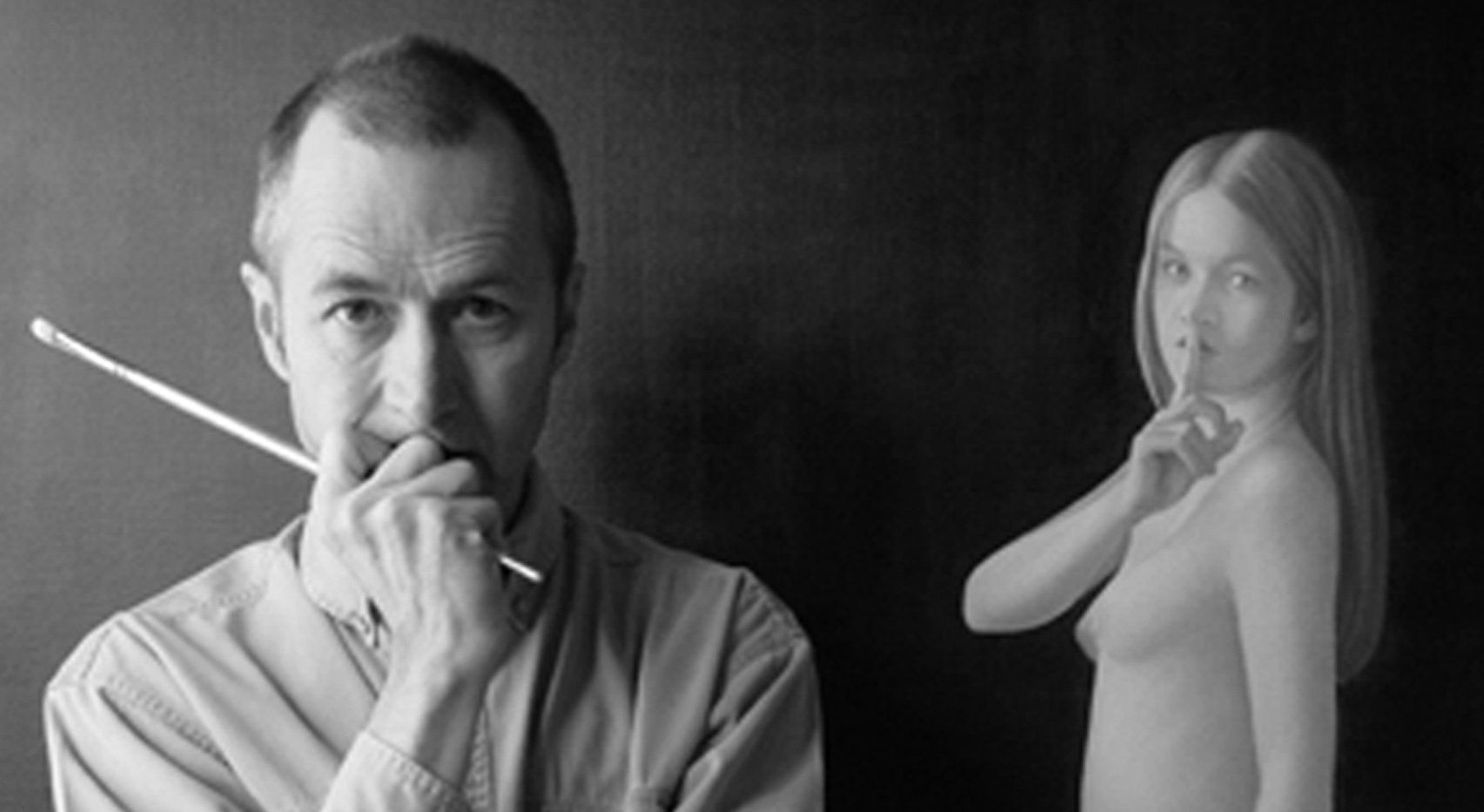
To me great works of art are when both content and form are excellent - not necessarily equally so, but combined successfully. Put simply, I would describe 'content' as being the 'what', and ’form' the 'how'. I happily accept being called a narrative painter and the content for me is the most important. It is where the expression of my individuality is most apparent. The 'form', or technique, which I adopt to convey the content arises out of how I visualise things in my minds eye - i.e. realistically. Because this technique was developed centuries ago in western Europe many people, including those involved in the visual arts, regard the style as anachronistic. To discover, as has often happened, that supposedly intelligent people at the forefront of curatorship don’t understand that it is possible to 'say' new things in an old language I find ridiculous. For comparison, if you look at contemporary literature you wouldn’t expect novelists to invent a new language to express themselves whenever they come to write.
It infuriates me that the craving for new forms of painting to excite their visual 'palette' is often accompanied by a lack of awareness of the relevance of proven techniques to reveal new insights and seek meaning to our lives. Style without content is for me vacuous. It is not that I don’t admire and enjoy abstract painting. The finest abstract or semi abstract painting is a joy to behold - it can have an emotive power that is beyond comprehension. To me, the verb 'abstract' means to 'take away' . This implies that there is something there to begin with. That 'something’ may well be the artists experience of life, but expressed in a non representational way. I discovered very early on in my life as a painter that the differences between a good representational painting and a bad one were more often than not the abstract values. The juxtaposition of colour, mark, shape, tone , texture etc. in my case culminate in a realist image but they are common to all forms of painting.
I would advise all wannabe artists that concerning yourself with style is a waste of time and energy. Try altering your handwriting. It takes an enormous amount of effort and the moment you lose concentration you relapse into your own natural style. Deliberately adopting a style produces the opposite of authenticity and originality. Don’t concern yourself with it - be yourself.
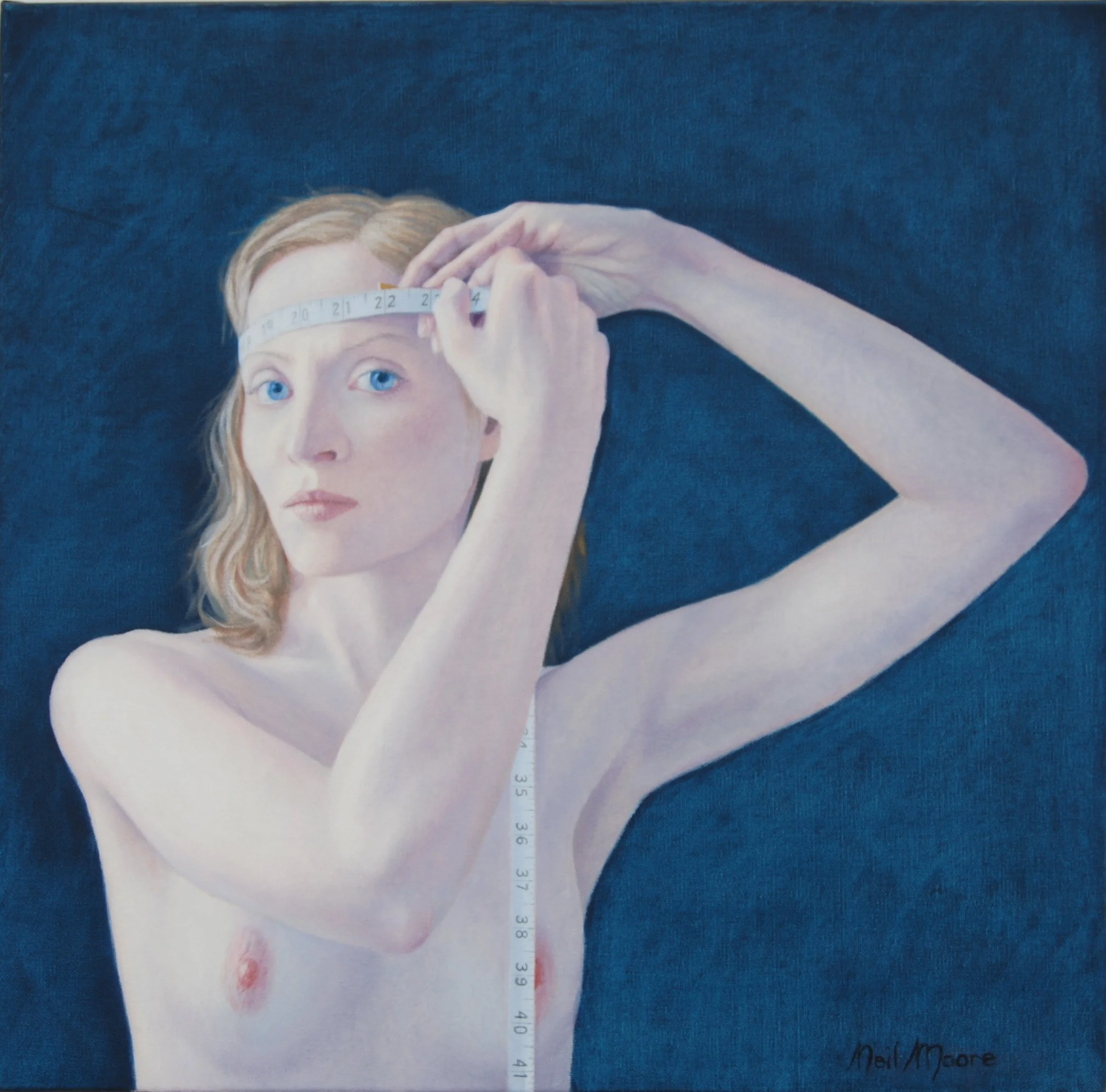

“I don’t know what art is - but I know what I like”I have always believed that art is for everyone and that potentially everyone can be an artist. Sadly, for whatever reason, many people think, or feel, that art isn’t for them. It is distressing to me to find that major galleries and museums, who create wonderful opportunities for us all to experience visual art, are often inadvertently reinforcing the the view that art is for the elite, the cognoscenti.
Firstly, the sheer extent of the written introduction when initially entering an exhibition, and subsequently the extensive information accompanying each work of art can be both intimidating and patronising to the 'would be' art lover.
Secondly (and more infuriatingly for me) the curatorial captioning and audio description often goes way beyond the known facts and tells the viewer what they should see. This is may be well informed, but it can only be an opinion. Having read this interpretation it isn’t possible to un-learn it, thereby denying the viewer the opportunity to discover for themselves their own response without the mediation of 'expert' opinion. On seeing an artwork for the first time, the inference that there is an authoritative explanation may undermine the confidence of the viewer in their own judgement and, more importantly, deny them the opportunity to use their creative imagination. This suggests that their own interpretation isn’t valid - that only the experts (the elite) have the knowledge to understand.
I would argue that when confronted with any artwork for the first time it is the only opportunity to flex your own creative imagination without external influences colouring your response. The much maligned trope “that I don’t know what art is but I know what I like” is empowering for anyone who has the confidence to venture in to the hallowed precincts of a gallery. If their attention is sufficiently 'grabbed’ by the artwork they may want to find out more. Then the curatorial opinion can then be very informative and increase their appreciation of the artwork.
Quite apart from the above and most importantly, there is the false assumption on the part of the ‘experts’ that the artist knew what they were doing. For myself - I never know, but I hope by doing it to perhaps find out. As far as I am concerned, if I knew what I was doing - what the outcome is going to be be, I shouldn’t be doing it.
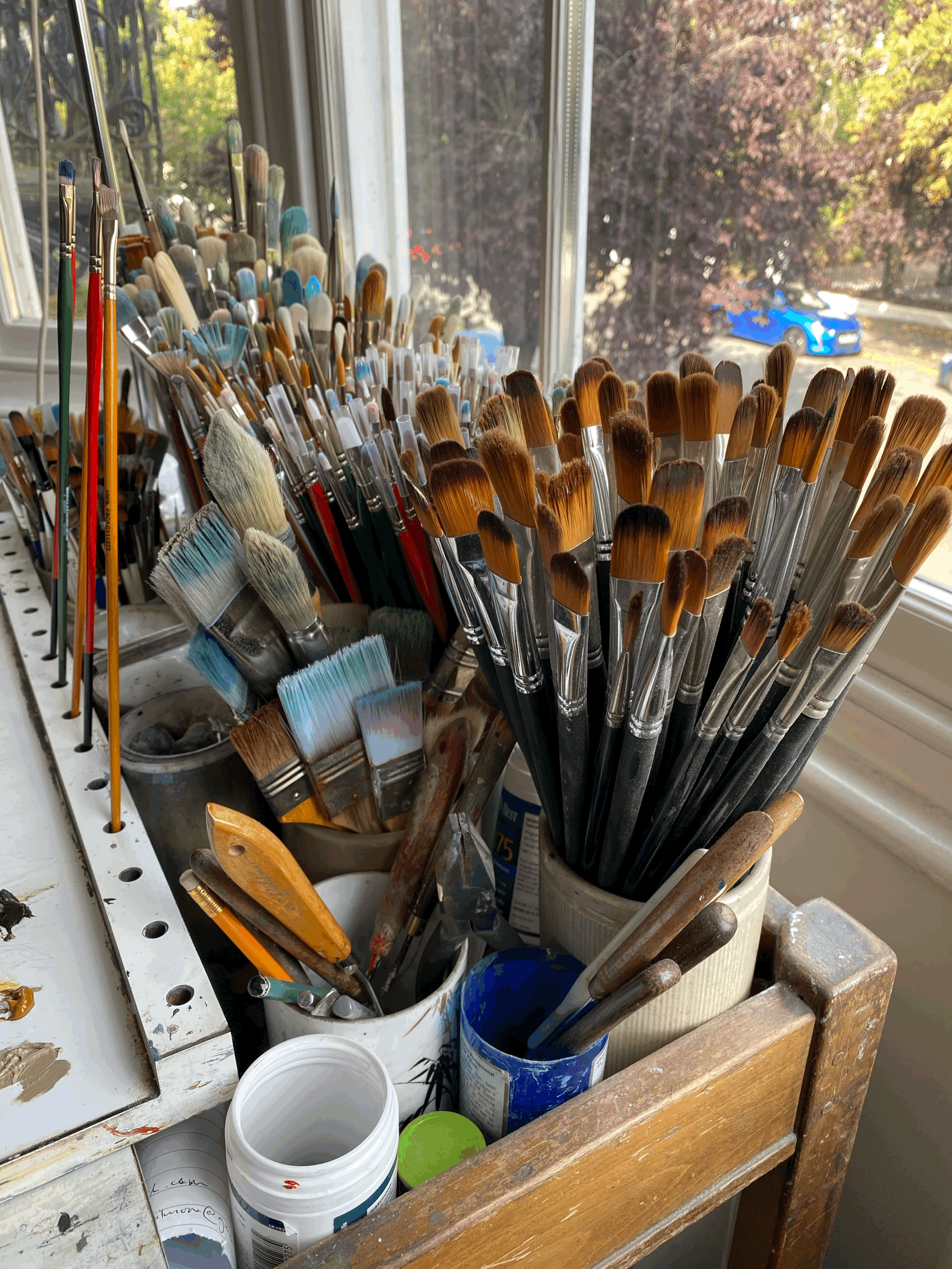
On Art education
My reservation about the contemporary art world stems from what I see at the present time, which appears to me to be so cerebral that its visual qualities have become secondary...

Hidden in plain view
I think it was Mark Twain who said on hearing a new piece of classical music “I am sure it is a lot better than it sounds”. This resonates with my response to some contemporary art.